

Effective Spinal Health Care: Back Pain Relief, Chiropractic Benefits, and Healthy Spine Exercises
Spinal health care is crucial for maintaining overall well-being, particularly as back pain affects millions of individuals worldwide. This article delves into effective techniques for back pain relief, the benefits of chiropractic treatment, and exercises that promote a healthy spine. Readers will learn about various methods to alleviate discomfort, the role of chiropractic care in enhancing spinal health, and practical exercises to support spinal wellness. Many people struggle with chronic back pain, which can significantly impact their quality of life. Fortunately, understanding these techniques and treatments can provide effective solutions. We will explore the most effective back pain relief techniques, the key benefits of chiropractic treatment, the supportive role of physical therapy, and essential exercises for spinal health.
What Are the Most Effective Back Pain Relief Techniques?
Back pain relief techniques encompass a variety of methods aimed at alleviating discomfort and improving mobility. These techniques can range from physical therapy to lifestyle changes, each offering unique benefits. Understanding the effectiveness of these methods is essential for individuals seeking relief from chronic pain.
- Physical Therapy: Physical therapy methods, such as manual therapy and therapeutic exercises, are designed to alleviate back pain by improving strength and flexibility. Research indicates that these methods can significantly reduce pain and enhance function in individuals with back issues.
- Chiropractic Adjustments: Chiropractic care involves spinal manipulation to restore proper alignment and function. This technique can relieve pressure on nerves and improve overall spinal health, making it a popular choice for back pain relief. Evidence supports its effectiveness particularly for acute lower back pain, though results can vary for chronic conditions.
- Heat and Cold Therapy: Applying heat or cold to the affected area can provide immediate relief. Heat helps relax muscles and improve blood flow, while cold therapy reduces inflammation and numbs sharp pain.
How Do Physical Therapy Methods Alleviate Back Pain?

Physical therapy methods, including stretching, strengthening exercises, and manual therapy, play a vital role in alleviating back pain. These techniques focus on improving flexibility, strength, and overall function. For instance, targeted exercises can strengthen core muscles, which support the spine and reduce strain. Evidence supports the effectiveness of these methods, showing that patients often experience significant pain reduction and improved mobility after a course of physical therapy.
Indeed, numerous guidelines and studies consistently recommend physical therapy and exercise as a primary approach for addressing low back pain.
Physical Therapy & Exercise for Low Back Pain
Low Back Pain Guidelines regularly recommend the use of physical exercise for non-specific LBP. Early non-pharmacological treatment is endorsed. This includes education and self-management, and the recommencement of normal activities and exercise, with the addition of psychological programs in those whose symptoms persist. The aim of physical treatments is to improve function and prevent disability from getting worse. The Danish, United States of America, and the United Kingdom Guidelines recommend the use of exercise on its own, or in combination with other non-pharmacological therapies. These include tai chi, yoga, massage, and spinal manipulation. In chronic low back pain, the physical therapy exercise approach remains a first-line treatment, and should routinely be used.
Physical therapy approaches in the treatment of low back pain, 2018
Which Exercises Promote a Healthy Spine and Reduce Pain?
Engaging in specific exercises can promote a healthy spine and alleviate pain. Exercises such as planks, bridges, and gentle stretches help strengthen the muscles surrounding the spine, enhancing stability and flexibility. Regular practice of these exercises not only reduces pain but also helps prevent future injuries by maintaining spinal health. Incorporating these movements into a daily routine can lead to long-term benefits for spinal wellness.
What Are the Key Benefits of Chiropractic Treatment for Spinal Health?
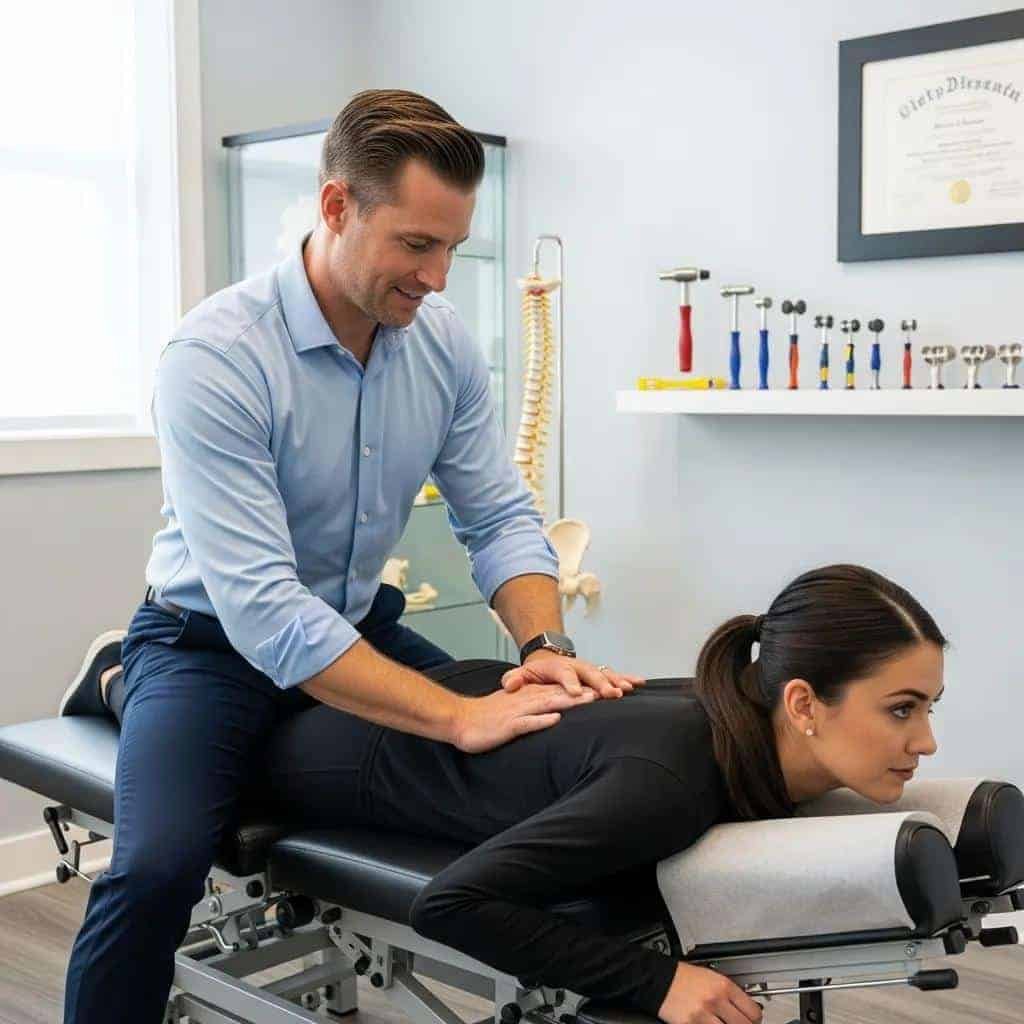
Chiropractic treatment offers numerous benefits for spinal health, making it a valuable option for individuals suffering from back pain. This form of care focuses on diagnosing and treating musculoskeletal disorders, particularly those affecting the spine.
- Improved Spinal Alignment: Chiropractic adjustments help restore proper alignment of the spine, which can alleviate pressure on nerves and reduce pain. This realignment is crucial for maintaining overall spinal health.
- Pain Relief: Many patients report significant pain relief following chiropractic treatment. By addressing the root causes of discomfort, chiropractic care can provide lasting relief from certain chronic pain conditions, especially lower back pain.
- Enhanced Mobility: Regular chiropractic care can improve range of motion and flexibility, allowing individuals to engage in daily activities without discomfort.
How Does Chiropractic Care Improve Spinal Alignment and Reduce Sciatica?
Chiropractic care improves spinal alignment through targeted adjustments that correct misalignments in the vertebrae. This realignment can relieve pressure on the sciatic nerve, which often causes pain radiating down the leg. Some studies and case reports have shown that patients receiving chiropractic adjustments experience reduced sciatica symptoms and improved mobility, though outcomes can vary and should be part of a comprehensive treatment plan.
When Is Chiropractic Treatment Recommended Over Surgery?
Chiropractic treatment is often recommended as a first-line approach for various conditions, particularly when surgery is not immediately necessary. Conditions such as herniated discs, sciatica, and chronic back pain can often be managed effectively through chiropractic care. Clinical guidelines generally suggest that patients try conservative treatments, including chiropractic care, before considering surgical interventions, as many individuals find relief through non-invasive methods.
How Can Physical Therapy Support Back Pain and Spinal Wellness?
Physical therapy plays a crucial role in supporting back pain management and promoting spinal wellness. This approach focuses on rehabilitation and prevention, helping individuals regain strength and function.
- Core Strengthening Exercises: Core strengthening exercises are essential in physical therapy. These exercises target the abdominal and back muscles, providing support to the spine and reducing the risk of injury.
- Mobility Exercises: Mobility exercises enhance flexibility and range of motion, which are vital for maintaining spinal health. These exercises can help alleviate stiffness and improve overall function.
- Integration with Other Treatments: Physical therapy often complements other treatments, such as chiropractic care. By combining these approaches, patients can achieve more comprehensive pain relief and improved outcomes.
What Are Core Strengthening and Mobility Exercises in Physical Therapy?
Core strengthening and mobility exercises are fundamental components of physical therapy. Exercises like pelvic tilts, bird-dogs, and gentle stretches help build strength in the core muscles while enhancing flexibility. These exercises not only alleviate pain but also promote better posture and spinal alignment, contributing to long-term spinal health.
How Does Physical Therapy Complement Chiropractic and Other Treatments?
Physical therapy complements chiropractic care by providing a holistic approach to back pain management. While chiropractic adjustments focus on spinal alignment, physical therapy emphasizes rehabilitation and strengthening. Together, these treatments can enhance recovery and improve overall spinal health, offering patients a comprehensive solution to their pain.
Which Spinal Health Supplements Support Bone and Nerve Function?
Spinal health supplements can play a supportive role in maintaining bone and nerve function. These supplements often contain essential nutrients that contribute to overall spinal health.
- Calcium and Vitamin D: These nutrients are crucial for bone health, helping to maintain bone density and strength. Adequate intake can prevent conditions like osteoporosis, which can lead to spinal fractures.
- Magnesium: Magnesium supports nerve function and muscle relaxation, making it beneficial for individuals experiencing muscle tension and spasms.
- Omega-3 Fatty Acids: Omega-3s have anti-inflammatory properties that can help reduce pain and promote healing in the spine.
What Are the Active Ingredients in Effective Spinal Supplements?
Effective spinal health supplements often contain a combination of active ingredients that support bone and nerve function. Common ingredients include:
- Calcium: Essential for maintaining strong bones.
- Vitamin D: Enhances calcium absorption and supports bone health.
- Magnesium: Aids in muscle relaxation and nerve function.
These ingredients work synergistically to promote overall spinal health and prevent conditions that can lead to pain and discomfort.
How Do Supplements Complement Exercise and Therapy for Spine Care?
Supplements can enhance the effectiveness of exercise and therapy for spine care by providing essential nutrients that support recovery and overall health. For instance, calcium and vitamin D can strengthen bones, making them more resilient during physical activity. Additionally, omega-3 fatty acids can reduce inflammation, allowing individuals to engage in exercises without discomfort. By integrating supplements into a comprehensive care plan, individuals can optimize their spinal health outcomes.
What Are Common Spinal Conditions and Their Impact on Health?
Common spinal conditions can significantly impact health and quality of life. Understanding these conditions is essential for effective management and treatment.
- Herniated Discs: A herniated disc occurs when the inner gel-like core of a spinal disc protrudes through the outer layer, potentially pressing on nearby nerves. This condition can cause severe pain, numbness, and weakness in the limbs.
- Spinal Stenosis: Spinal stenosis is the narrowing of the spinal canal, which can lead to nerve compression. Symptoms often include pain, tingling, and weakness in the legs.
- Poor Posture: Poor posture can contribute to various spinal disorders, leading to chronic pain and discomfort. Maintaining proper posture is crucial for preventing these conditions.
How Do Herniated Discs and Spinal Stenosis Cause Back and Neck Pain?
Herniated discs and spinal stenosis can cause back and neck pain by compressing spinal nerves. This compression can lead to inflammation and irritation, resulting in pain that radiates to other areas of the body. Understanding the mechanisms behind these conditions is essential for effective treatment and management.
What Role Does Posture Play in Preventing Spinal Disorders?
Posture plays a critical role in spinal health. Poor posture can lead to misalignments and increased strain on the spine, contributing to various disorders. Maintaining good posture, especially during prolonged sitting or standing, can help prevent spinal issues and promote overall health. Simple adjustments, such as using ergonomic furniture and practicing awareness of body alignment, can make a significant difference in spinal health.
How Can Exercises and Posture Correction Prevent Spinal Injuries?
Incorporating exercises and posture correction techniques into daily routines can significantly reduce the risk of spinal injuries. These preventive measures are essential for maintaining spinal health and overall well-being.
- Recommended Exercises: Engaging in exercises that promote spinal mobility, such as yoga and Pilates, can enhance flexibility and strength. These activities help maintain a healthy spine and prevent injuries.
- Posture Correction Techniques: Implementing posture correction techniques, such as adjusting workstation ergonomics and practicing mindful sitting, can alleviate strain on the spine. These adjustments are crucial for preventing long-term spinal issues.
What Are Recommended Exercises for Maintaining Spinal Mobility?
Recommended exercises for maintaining spinal mobility include:
- Cat-Cow Stretch: This yoga pose enhances flexibility in the spine and promotes relaxation.
- Child’s Pose: A gentle stretch that helps relieve tension in the back.
- Bridges: Strengthens the glutes and lower back, supporting spinal alignment.
Incorporating these exercises into a regular routine can help maintain spinal health and prevent injuries.
How Does Ergonomics Influence Long-Term Spinal Health?
Ergonomics plays a vital role in long-term spinal health. Proper ergonomic practices, such as maintaining an appropriate chair height and using supportive equipment, can reduce strain on the spine during daily activities. By prioritizing ergonomic principles, individuals can create a healthier work and living environment that supports spinal wellness.
| Technique | Description | Benefit |
|---|---|---|
| Physical Therapy | Manual therapy and exercises | Reduces pain and improves function |
| Chiropractic Adjustments | Spinal manipulation | Restores alignment and relieves pressure |
| Heat Therapy | Application of heat | Relaxes muscles and improves blood flow |
| Supplement | Active Ingredient | Benefit |
|---|---|---|
| Calcium | Calcium Carbonate | Supports bone density |
| Vitamin D | Cholecalciferol | Enhances calcium absorption |
| Omega-3 | Fish Oil | Reduces inflammation |
| Condition | Symptoms | Treatment Options |
|---|---|---|
| Herniated Discs | Pain, numbness | Physical therapy, chiropractic care, medication |
| Spinal Stenosis | Tingling, weakness | Physical therapy, medication, surgery |
| Poor Posture | Chronic pain | Ergonomic adjustments, exercises |