
CHARLESTOWN
Piriformis Syndrome Treatment in Charlestown & Newcastle NSW
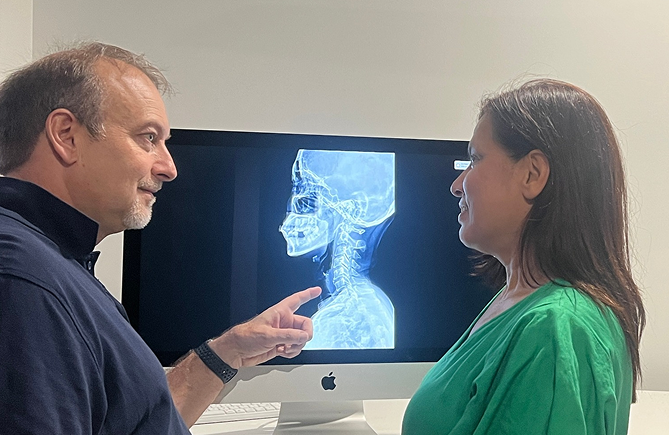
A SUPPORTIVE APPROACH TO Piriformis Syndrome RELIEF IN CHARLESTOWN
Personalised chiropractic care for local residents in Charlestown, Lake Macquarie, and Newcastle NSW.
Piriformis syndrome occurs when the piriformis muscle in the buttock irritates or compresses the sciatic nerve, causing deep gluteal pain, aching into the hip, and often shooting pain or tingling down the back of the leg. Sitting for long periods, climbing stairs, running, or rotating the hip can all aggravate symptoms. It is commonly mistaken for sciatica and can make driving, exercise, and sitting at work particularly uncomfortable.
At Be Amazing Chiropractic in Charlestown, NSW, we support patients from Charlestown, Lake Macquarie, and the Newcastle region with piriformis syndrome. Our approach includes assessing pelvic and lumbar mechanics, addressing muscle imbalances, and reducing tension in the gluteal and hip rotator region to help relieve nerve irritation and improve comfort with movement.
What is Piriformis Syndrome?
Piriformis Syndrome refers to irritation or tightness involving the piriformis muscle, a small muscle deep in the buttock. In some cases, it may contribute to buttock pain or symptoms that travel into the back of the thigh.
At Be Amazing Chiropractic in Charlestown, NSW, we support people experiencing Piriformis Syndrome with personalised chiropractic care focused on improving movement, reducing mechanical stress, and helping the body function more comfortably where appropriate.
Our goal is simple:
Help you move better, feel better, and get back to doing the things you love.
Common Symptoms & Signs
- Deep buttock pain or tightness
- Pain that may travel into the back of the thigh
- Tingling or numbness in the buttock or leg in some cases
- Discomfort with prolonged sitting
- Pain when climbing stairs or walking uphill
- Hip tightness or reduced mobility
- Tenderness around the gluteal region
- Symptoms that worsen with certain hip movements
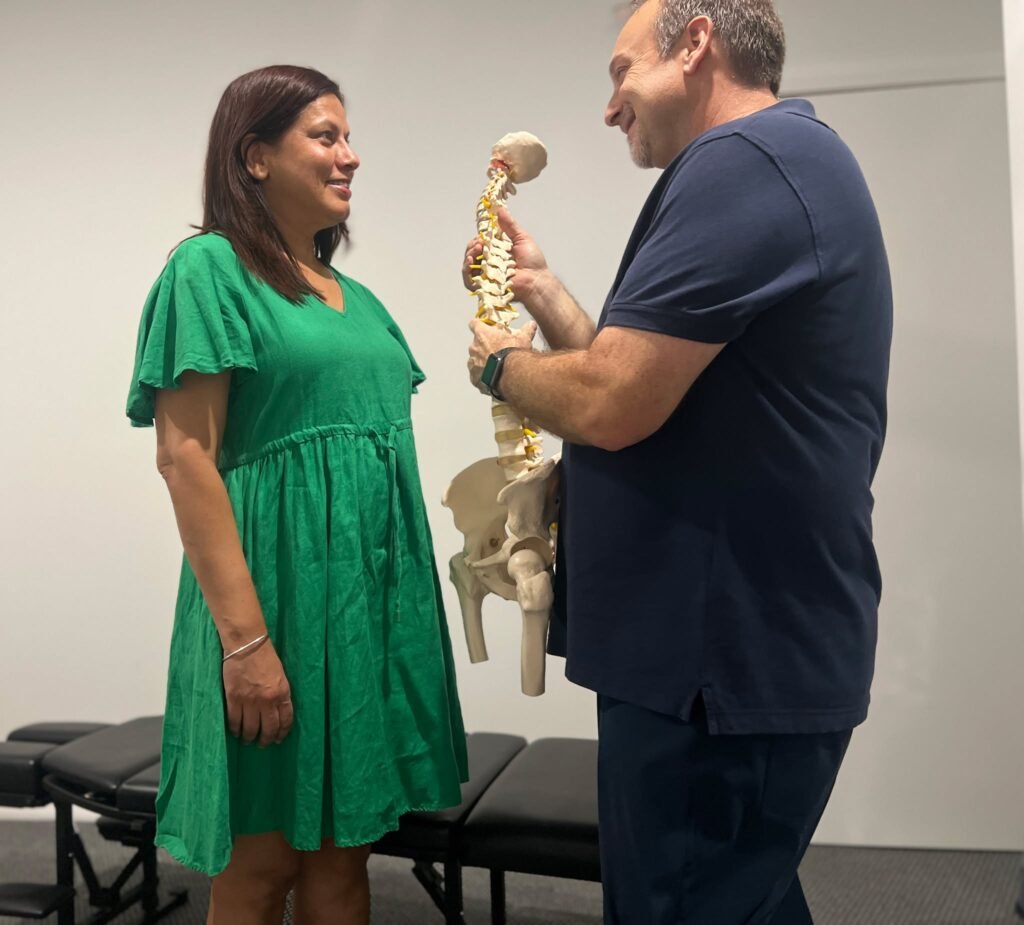
How Chiropractic Care May Help Piriformis Syndrome?
Chiropractic care for Piriformis Syndrome focuses on improving how the spine, joints, muscles, and nervous system work together. At Be Amazing Chiropractic, your care may include movement assessment, gentle chiropractic adjustments where appropriate, joint mobilisation, soft tissue techniques, posture support, exercise guidance, and practical strategies to help reduce mechanical stress in daily life.
A chiropractor for Piriformis Syndrome does not simply focus on where the pain is felt. Symptoms may be influenced by posture, joint mobility, muscle balance, repetitive movement patterns, previous injuries, workplace ergonomics, sporting activities, and how your body manages physical load throughout the day.
Piriformis Syndrome care is not about promising a quick cure. It is about understanding what may be contributing to your symptoms and providing evidence-informed care that supports better movement, comfort, and confidence.
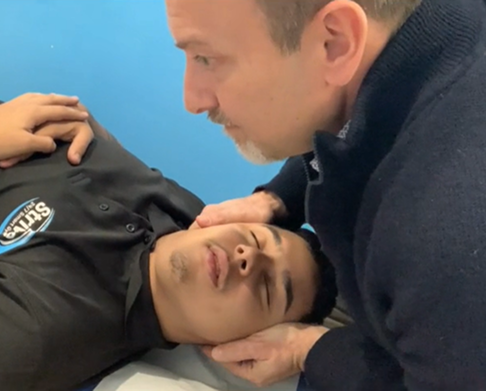
Why Choose Be Amazing Chiropractic in Charlestown?
Be Amazing Chiropractic is proud to support the local Charlestown community, Lake Macquarie residents, and patients across the greater Newcastle area. Recently relocated to Charlestown, our practice offers a warm, welcoming environment where you can feel heard, understood, and cared for.
We take a personalised, whole-body approach to care. That means we consider your lifestyle, posture, movement habits, work demands, and health goals—not just your symptoms. Whether you are dealing with recent Piriformis Syndrome in Charlestown or ongoing Piriformis Syndrome in Newcastle NSW, our focus is to help you move better, feel more confident, and take meaningful steps toward better wellbeing.
Why Choose Be Amazing Chiropractic in Charlestown?
Be Amazing Chiropractic is proud to support the local Charlestown community, Lake Macquarie residents, and patients across the greater Newcastle area. Recently relocated to Charlestown, our practice offers a warm, welcoming environment where you can feel heard, understood, and cared for.
We take a personalised, whole-body approach to care. That means we consider your lifestyle, posture, movement habits, work demands, and health goals—not just your symptoms. Whether you are dealing with recent Piriformis Syndrome in Charlestown or ongoing Piriformis Syndrome in Newcastle NSW, our focus is to help you move better, feel more confident, and take meaningful steps toward better wellbeing.
Frequently Asked Questions
Quick answers to common questions.
What is Piriformis Syndrome?
Piriformis Syndrome refers to a condition or symptom pattern that may affect comfort, movement, strength, balance, or daily function. The exact cause can vary from person to person, so a proper assessment is important before recommending care.
What are common symptoms of Piriformis Syndrome?
Common symptoms of Piriformis Syndrome may include pain, stiffness, weakness, tightness, reduced movement, altered sensation, or difficulty with everyday activities. Symptoms vary depending on the area involved and the underlying contributing factors.
Can chiropractic care help with Piriformis Syndrome?
Chiropractic care may help some people with Piriformis Syndrome by addressing joint movement, muscle tension, posture, movement habits, and related mechanical factors. Your chiropractor will assess your presentation first and recommend care only when appropriate.
When should I see a chiropractor for Piriformis Syndrome?
Consider seeing a chiropractor if Piriformis Syndrome is persistent, recurring, limiting your movement, or affecting work, sleep, exercise, or daily tasks. Seek urgent medical advice if symptoms are severe, sudden, associated with trauma, or include concerning neurological signs.
What happens during an appointment for Piriformis Syndrome?
An appointment for Piriformis Syndrome usually includes a discussion of your symptoms, health history, movement testing, posture or joint assessment, and an explanation of findings. If suitable, care may include hands-on treatment, advice, and exercises.
How long does it take to improve Piriformis Syndrome?
Recovery from Piriformis Syndrome depends on the cause, severity, duration of symptoms, lifestyle factors, and how your body responds to care. Some people notice changes quickly, while others need a longer management plan.
Take the Next Step Toward Moving Better
You do not have to keep pushing through Piriformis Syndrome and hoping it will settle on its own. If discomfort is affecting your work, sleep, exercise, or daily routine, Be Amazing Chiropractic in Charlestown is here to help you feel supported and informed.
Whether you are looking for Piriformis Syndrome relief Charlestown, a chiropractor for Piriformis Syndrome, or chiropractic Piriformis Syndrome treatment near Newcastle NSW, our team would be glad to welcome you.

We help families move better, feel better and live freely through gentle, personalised chiropractic care.
Quick Links
- Home
- About Us
- New Patients
- Testimonials
- Contact
Care
- Chiropractic Care
- Family Care
- Pregnancy Care
- Sports Care
- Wellness Care
Contact
- 0434 812 819
- info@beamazingchiropractic.com.au
- Level 1, 46 Pearson Street Charlestown NSW 2290
- Privacy Policy
- Terms of Use